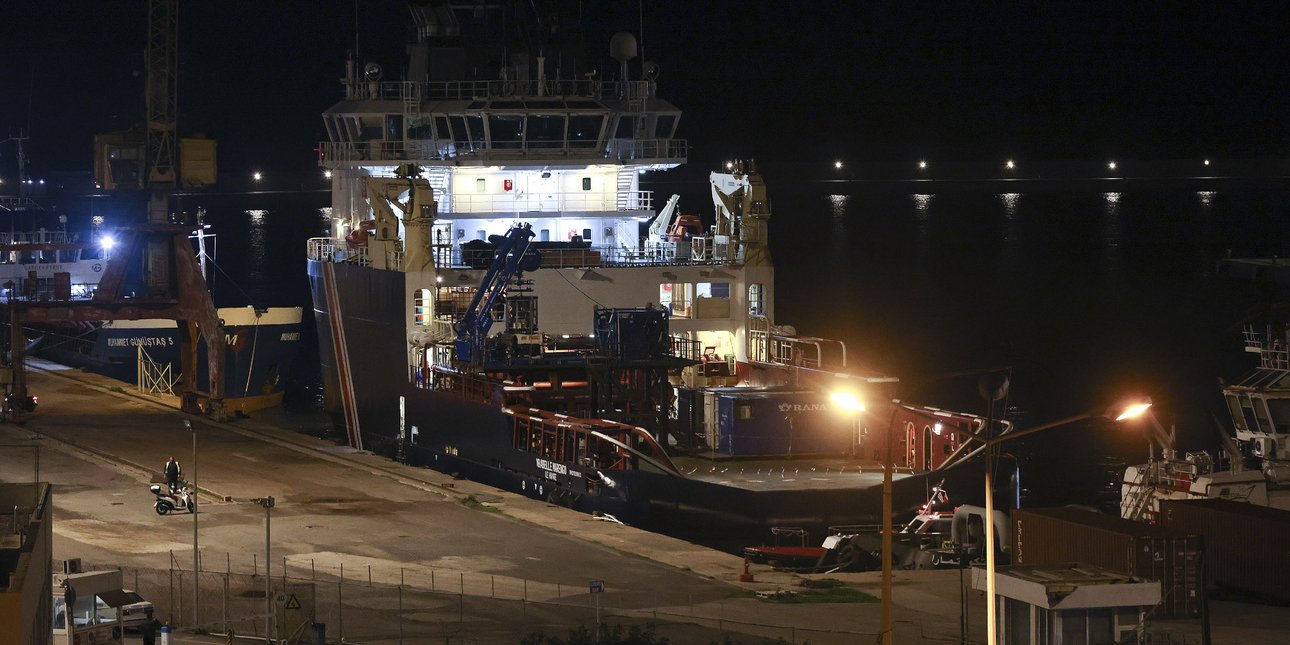
A power cable meant to plug Cyprus into Europe's grid has become a test of who controls the waters of the eastern Mediterranean.
Turkey is now claiming it holds the final say.
Turkish diplomatic sources told the English-language outlet Turkiye Today that Ankara sent France a formal note on Nov. 10.
The note consented to seabed surveys by the French-flagged ship Abeille Marengo. The sources cast the exchange as proof that no research can proceed on what Turkey considers its continental shelf without its approval.
They also said it blocked a Greek attempt to create "faits accomplis" at sea.
That account clashes head-on with Athens.
The Greek government has said repeatedly that permits came only from Greece and Cyprus. It describes France's own note to Ankara as a courtesy notification with no legal weight.
The dispute matters beyond the two countries.
The Great Sea Interconnector, backed by the European Union, would end Cyprus' status as the only EU member with no electricity link to another country.
It could later extend to Israel.
The cable's route crosses waters that Greece says belong to its islands and that Turkey claims as its own. That makes the project a proxy for a decades-old maritime feud between two NATO allies.
Any appearance of Turkish consent is politically explosive in Greece. Opposition parties have accused the government of tacitly conceding ground.
Foreign Minister Giorgos Gerapetritis is due to brief party leaders on Saturday, and Athens has issued a counter-notice dismissing Turkey's maritime alert as meaningless.
Ankara says it does not oppose regional energy projects, as long as they respect "the rights of all parties."
France has not commented publicly.