A little over a decade ago, Greece's labor market was a case study in collapse.
Unemployment topped 27%, youth joblessness passed 50%, and international lenders led by the International Monetary Fund imposed sweeping labor reforms in return for bailout loans.
This week, Greece's labor minister is in Washington to tell many of those same institutions that the country has become an example of how to recover.
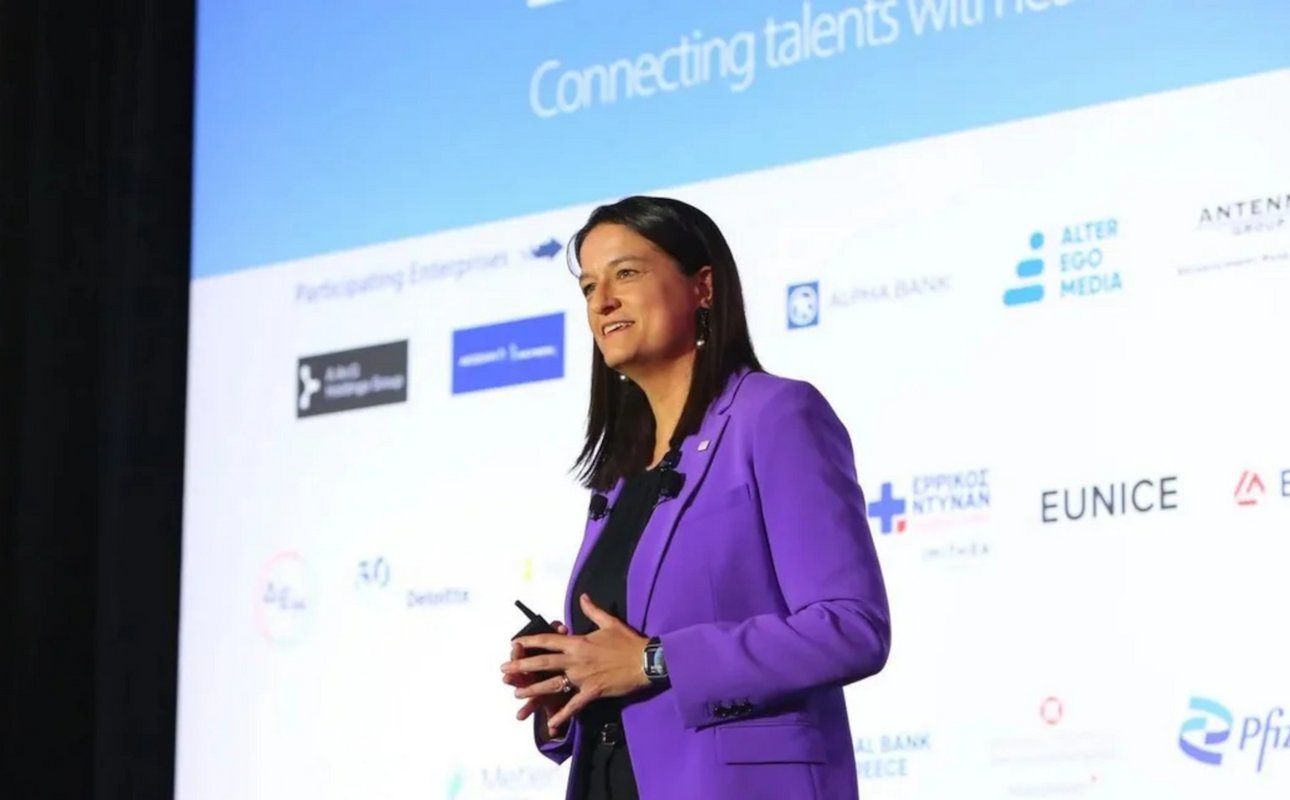
Niki Kerameus is speaking at a high-level conference on artificial intelligence, demographic change and jobs, co-hosted by the IMF, the World Bank, the Organization for Economic Cooperation and Development and the Peterson Institute for International Economics.
She is also briefing World Bank officials on Greece's mix of labor-market flexibility and worker protection. And she will join a roundtable at the Woodrow Wilson Center titled "Lessons From Greece."
The visit matters beyond symbolism.
Wealthy economies are wrestling with the same two forces on the conference agenda: AI threatening to reshape or replace jobs, and aging populations shrinking the workforce.
Greece faces both acutely.
Its population is among the oldest in Europe, and hundreds of thousands of young people emigrated during the crisis.
Its government has begun setting limits on how employers use AI to manage workers, an area where many countries have yet to act.
The Labor Ministry said Mrs. Kerameus would highlight falling unemployment and rising employment.
Critics at home note that the recovery is incomplete. Greek wages remain among the lowest in the eurozone, and the cost of living has become a central issue ahead of national elections next year.