For half a century after Greeks voted to abolish their monarchy, Tatoi, the royal family's wooded summer estate outside Athens, was left to rot.
Roofs caved in, gardens ran wild and thousands of royal belongings sat in crumbling storerooms.
Now the Greek state is about to open the palace to the public as a museum.
The move signals a more relaxed relationship with a chapter of history that once divided the country.
The Culture Ministry expects restoration to be finished by mid-January 2027, Culture Minister Lina Mendoni said.
No opening date has been set.
The reopening has already slipped from earlier targets in 2026.
The monarchy was a bitterly divisive institution in 20th-century Greece. It was tied to civil war and political turmoil, and to the 1967-74 military dictatorship. Voters abolished it in a 1974 referendum.
The state later seized Tatoi, triggering a long legal battle with former King Constantine II, who won compensation at the European Court of Human Rights in 2000. His 2023 funeral and burial in the estate's royal cemetery drew large crowds, a sign that public feeling had softened.
The restored palace will tell that story through thousands of furnishings, artworks and personal items.
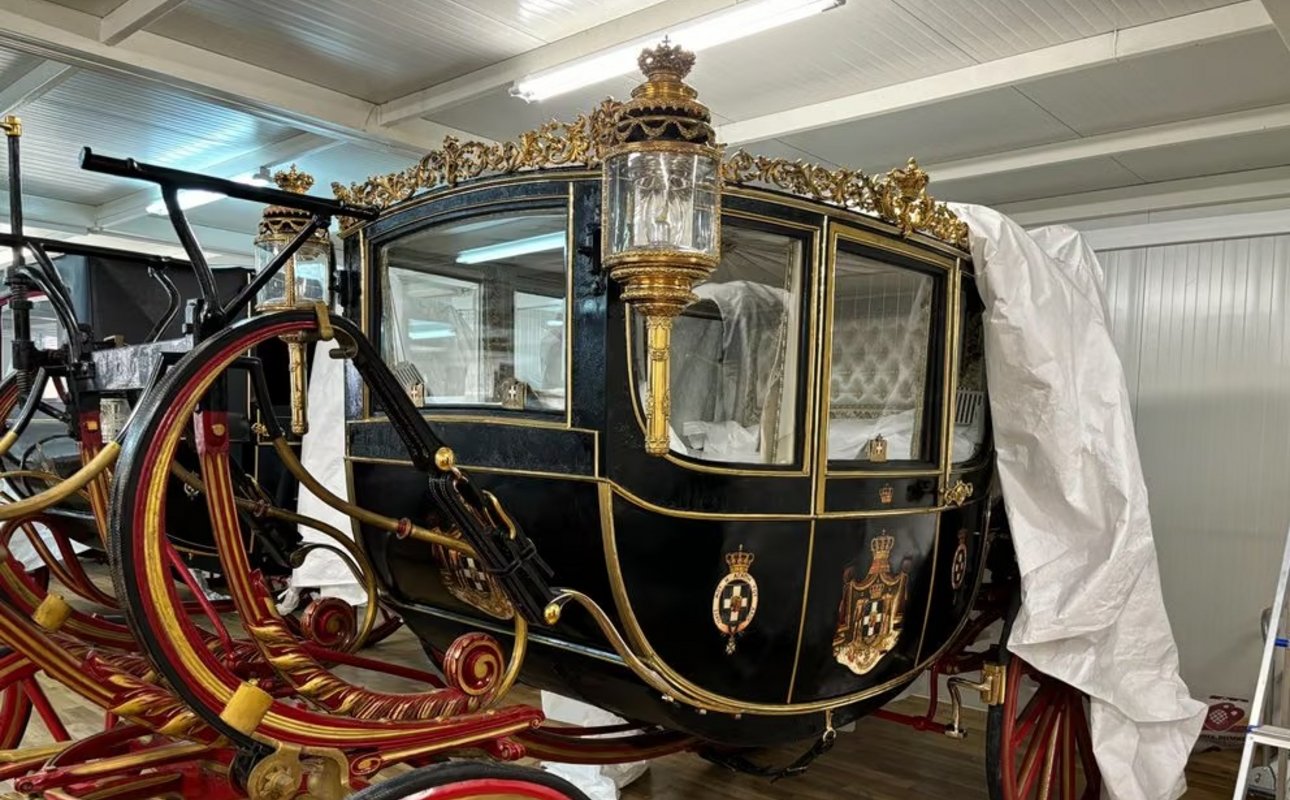
A museum of royal cars and one devoted to the estate's farms are already complete, and the historic gardens have been replanted.
The project is also a bet on tourism.
Greece is trying to draw visitors beyond its crowded islands.
To protect the forested estate, cars will park at its edges, in lots for about 1,200 vehicles, and minibuses will shuttle visitors 5 kilometers (3 miles) to the palace.
Tatoi was a site that many Greeks once preferred not to think about.
Soon it will be one they can visit.