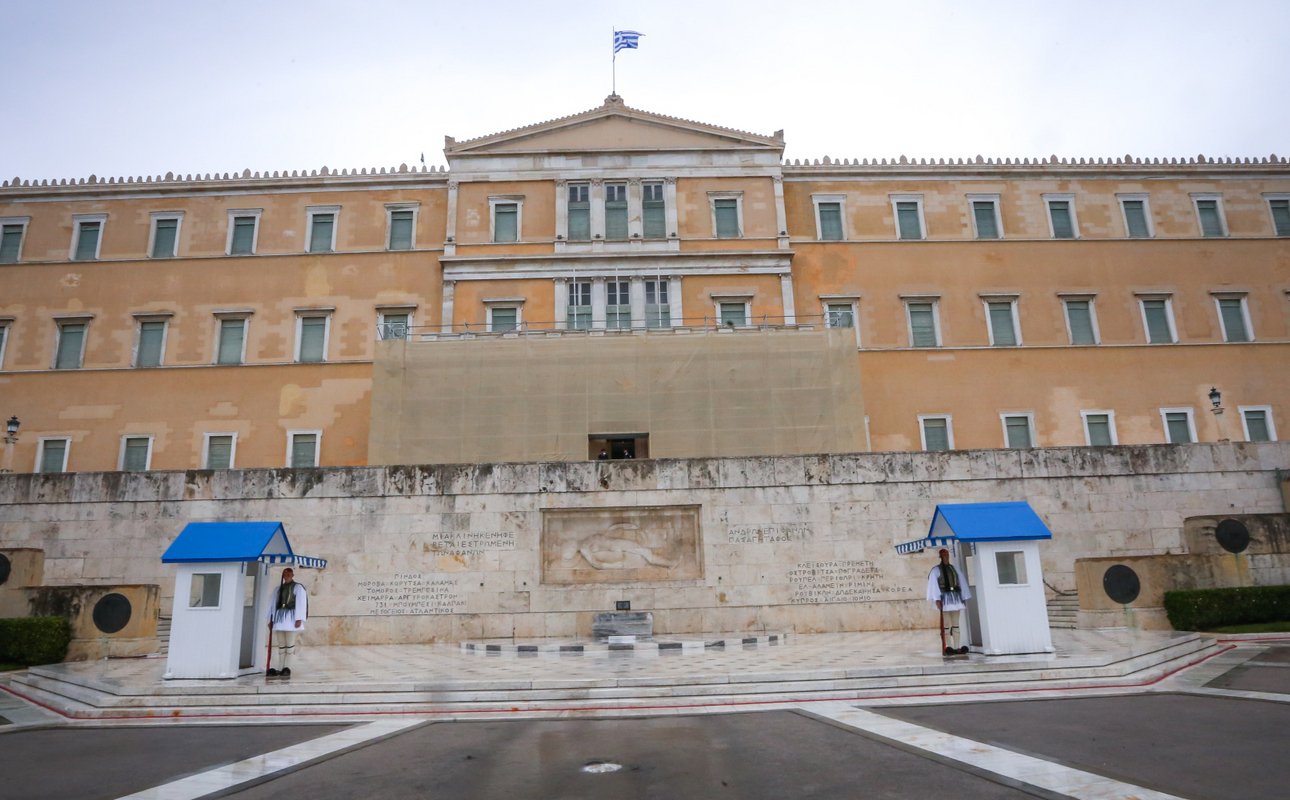
Less than a decade after international creditors forced it into deep spending cuts, Greece is handing money back.
Parliament has approved a 2.2 billion-euro ($2.6 billion) package of tax cuts and cash support, the largest the government has offered.
The measures are a symbol of how far Greece's finances have recovered, and a pointed signal to voters ahead of elections due next year.
Individual articles passed with between 159 and 244 votes in the 300-seat chamber.
Prime Minister Kyriakos Mitsotakis' government says the relief is paid for by its crackdown on tax evasion, which it expects to bring in 9.1 billion euros in extra revenue from 2024 through 2027.
The package arrives as high energy costs squeeze households and small businesses.
It has something for almost every voter.
Pensioners over 65 will receive a permanent annual payment of 400 euros each November, up from 300 euros.
Farmers and families with three or more children will pay no income tax on their first 20,000 euros.
Public servants will get a 500-euro Christmas bonus starting in 2027. Payroll contributions for private-sector workers will fall by 0.5 percentage points next spring.
Businesses also gain.
A flat annual levy on companies will be phased out by 2029, and most rules taxing the self-employed on presumed rather than actual income will be scrapped. Under the change, a cafe with five employees would see its owner's tax bill cut by more than half.
The law also creates state-matched investment accounts for newborns, worth up to 1,200 euros a year until age 18, and abolishes property tax in small villages.
The opposition is competing on the same ground. Former Prime Minister Alexis Tsipras pledged this week to scrap the business levy immediately.