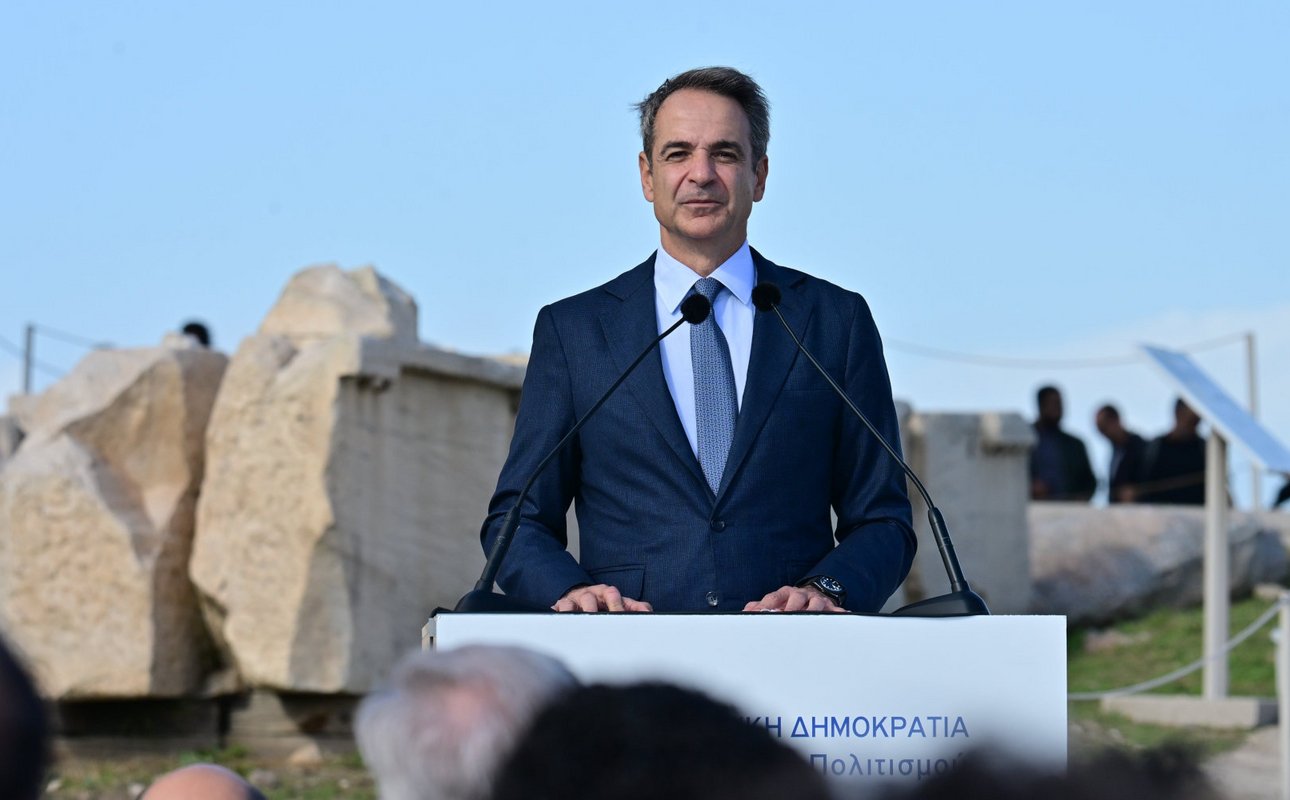
For nearly 20 years, the small stone museum perched on the Acropolis sat empty, its treasures moved downhill to a gleaming modern building.
This week, it reopened, and Greece used the moment to restate one of the world's most famous cultural demands.
"This temple was not built to be cut into pieces," Prime Minister Kyriakos Mitsotakis said, standing before the Parthenon.
He called the return of the Parthenon Sculptures from the British Museum a "non-negotiable national goal."
The building matters in its own right. Completed in 1874, the Old Acropolis Museum was the first museum built by the modern Greek state, raised on the sacred rock itself to house what had survived centuries of war and looting.
"Today we return to the starting point," Mr. Mitsotakis said, "where one of the first chapters of our archaeology was written."
It closed after the new Acropolis Museum opened at the foot of the hill in 2009. Mr. Mitsotakis said a previous government had planned to turn it into storage and offices.
Instead, it reopens with four exhibitions that pair ancient heritage with digital technology and artificial intelligence.
The timing is pointed.
The dispute over the marbles, removed by Lord Elgin in the early 1800s and held in London for more than two centuries, has become a test case for a global debate over whether Western museums should return artifacts taken during colonial or imperial eras.
Other European institutions have begun returning treasures such as the Benin Bronzes. Britain has not moved: earlier this month, the British government said it opposes any permanent return to Athens, sparking heated exchanges in the House of Lords.
By reviving a museum on the very rock where the sculptures once stood, Greece is making its case in stone: the Acropolis is ready, and the Parthenon is still incomplete.